
Medically reviewed by Dr. Michael Koehler, MD
GLP-1 medications such as semaglutide and tirzepatide have transformed the way obesity is treated. Whether you're taking compounded GLP-1 medications or brand-name therapies such as Wegovy®, Ozempic®, or Zepbound®, these medications help reduce appetite, improve blood sugar regulation, and support meaningful, long-term weight loss.
One of the most common questions patients ask is, "What should I eat while taking GLP-1 medications?"
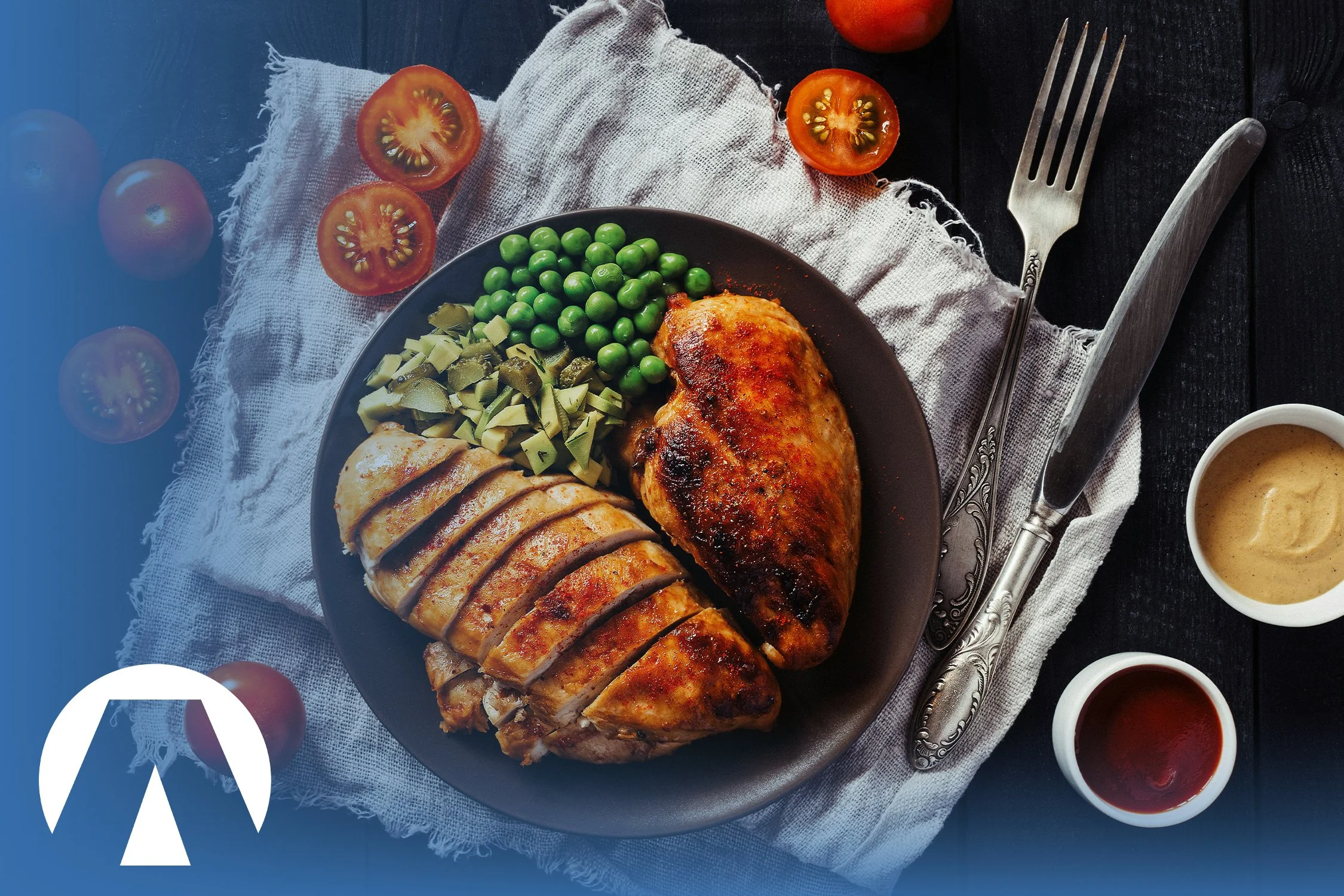
The answer starts with protein.
While GLP-1 medications help you eat fewer calories, they can also increase the risk of losing lean muscle if your nutrition isn't carefully planned. Eating enough protein while taking semaglutide or tirzepatide helps preserve muscle, supports metabolism, promotes recovery, and improves the quality of your weight loss.
At Affinity Whole Health, we encourage patients to think beyond the number on the scale. Sustainable weight loss isn't just about losing pounds. It's about protecting muscle, improving metabolic health, and building healthy habits that last.
Why Muscle Matters During Weight Loss
Many people assume that all weight loss is beneficial.
In reality, healthy weight loss should primarily come from body fat while preserving as much lean muscle as possible.
Muscle is metabolically active tissue. It helps your body:
Burn calories throughout the day
Maintain strength
Improve balance
Support healthy aging
Regulate blood sugar
Improve insulin sensitivity
Recover from physical activity
When muscle is lost, resting metabolic rate often declines.
This means your body burns fewer calories at rest, making long-term weight maintenance more difficult.
Several studies have shown that rapid weight loss, including weight loss achieved with GLP-1 medications, includes reductions in both fat mass and lean body mass. While this is expected, the amount of muscle lost can often be minimized through proper nutrition and resistance exercise.
How GLP-1 Medications Affect Nutrition
GLP-1 medications work by helping you eat less.
Many patients naturally consume several hundred fewer calories each day because they feel full sooner and stay satisfied longer.
While this calorie reduction supports fat loss, it also creates a challenge.
Eating less food makes it easier to fall short on important nutrients, especially protein.
Some patients notice that they:
Skip meals
Eat much smaller portions
Feel too full to finish protein-rich foods
Prioritize convenience over nutrition
Without careful planning, protein intake can decline significantly.
Over time, inadequate protein may contribute to muscle loss, slower recovery, increased fatigue, and reduced strength.
This is one reason our providers emphasize nutrition as part of every personalized weight loss plan.
If you're considering treatment, our guide to Weight Loss with GLP-1 Medications explains how medical therapy works alongside healthy lifestyle changes.
Why Protein Is So Important
Protein is much more than a nutrient for athletes or bodybuilders.
Every cell in your body depends on protein.
Protein provides the building blocks needed to:
Maintain muscle tissue
Repair damaged cells
Produce hormones
Support immune function
Build enzymes
Maintain healthy skin, hair, and nails
During calorie restriction, adequate protein becomes even more important because your body has fewer calories available to support these essential functions.
Think of protein as insurance for your muscles during weight loss.
Instead of allowing your body to break down muscle for energy, adequate protein helps preserve lean tissue while encouraging your body to burn stored fat.
Protein Helps Preserve Lean Muscle
One of the biggest concerns during any weight loss program is losing lean body mass.
Studies suggest that approximately 20 to 40 percent of weight lost through calorie restriction can come from lean tissue if adequate nutrition and resistance exercise are not maintained.
GLP-1 medications are highly effective at reducing body weight, but they do not distinguish between fat and muscle.
That responsibility falls largely on lifestyle choices.
Consuming enough protein helps stimulate muscle protein synthesis, the process your body uses to repair and maintain muscle tissue.
Combined with regular resistance training, adequate protein intake significantly improves your ability to preserve muscle while losing fat.
This means you are more likely to:
Maintain strength
Stay active
Recover faster after exercise
Preserve your metabolism
Improve long-term weight maintenance
Protein Supports a Healthy Metabolism
Many people think metabolism only depends on age or genetics.
In reality, muscle mass plays a major role.
The more lean muscle you maintain, the more calories your body naturally burns throughout the day.
Losing excessive muscle during weight loss may contribute to a lower metabolic rate, making it easier to regain weight once calorie intake increases.
Protecting muscle helps preserve metabolic health and supports better long-term outcomes after reaching your goal weight.
This is one reason our providers often recommend combining medical weight loss with regular strength training and adequate dietary protein.
Protein Helps Control Hunger
GLP-1 medications already reduce appetite, but protein provides additional benefits.
Protein is the most satiating macronutrient.
Compared with carbohydrates or fats, protein generally keeps people feeling full longer.
This may help reduce:
Mindless snacking
Late-night cravings
Overeating between meals
Blood sugar fluctuations
Many patients find that eating protein first during meals helps them naturally make healthier food choices while still meeting their nutritional needs.
Protein Supports Recovery and Strength
Weight loss should improve your quality of life, not reduce your physical abilities.
Maintaining muscle helps you:
Lift groceries
Play with your children
Exercise comfortably
Maintain balance
Reduce injury risk
Support healthy aging
Protein provides the amino acids needed to repair muscle after activity and support ongoing strength gains.
Patients who combine GLP-1 medications with resistance training and adequate protein often report feeling stronger and more energetic throughout their weight loss journey.
Protein Becomes Even More Important as We Age
Adults naturally lose muscle mass with age, a condition known as sarcopenia.
This gradual decline often begins in our 30s and accelerates after age 60.
For older adults using GLP-1 medications, preserving muscle becomes even more important.
Adequate protein intake combined with strength training may help reduce age-related muscle loss while supporting mobility, independence, and overall health.
Protein Is Only One Part of a Successful Plan
Although protein plays a critical role, it works best alongside other healthy habits.
Successful long-term weight loss also includes:
Resistance exercise
Daily movement
Quality sleep
Hydration
Comprehensive medical supervision
Regular follow-up appointments
At Affinity Whole Health, we believe successful treatment involves much more than prescribing medication. Our personalized programs combine medical expertise with ongoing guidance to help patients build sustainable habits that support lifelong health.
Patients often benefit from reading GLP-1 and Hormone Therapy: A Dual Approach to Metabolic Health and What Is the Role of GLP-1 Medications in Long-Term Weight Management? to better understand how nutrition, hormones, and lifestyle work together.
How Much Protein Do You Need While Taking GLP-1 Medications?
There isn't a single protein target that works for everyone. Your ideal intake depends on your age, weight, activity level, muscle mass, and overall health.
That said, protein needs are generally higher during weight loss than they are during weight maintenance.
Many experts recommend aiming for approximately 1.2 to 1.6 grams of protein per kilogram of ideal body weight per day for adults actively losing weight, especially when preserving lean muscle is a priority. Individuals who regularly participate in resistance training or have higher muscle mass may benefit from even greater intake under the guidance of a healthcare professional.
For example:
A person whose goal weight is 150 pounds (68 kg) may need approximately 80 to 110 grams of protein each day.
Someone with a goal weight of 180 pounds (82 kg) may benefit from roughly 100 to 130 grams daily.
These are general guidelines, not strict rules. Your healthcare provider or registered dietitian can help determine the right amount based on your individual needs.
Should You Eat All Your Protein at One Meal?
Not necessarily.
Your body uses protein more efficiently when it is spread throughout the day rather than consumed all at once.
Instead of eating one large, protein-heavy dinner, try including protein with every meal and snack.
For example:
Breakfast
Greek yogurt
Cottage cheese
Eggs
Protein smoothie
Lunch
Grilled chicken
Turkey
Tuna
Tofu
Dinner
Salmon
Lean beef
Shrimp
Chicken breast
Snacks
Protein shake
String cheese
Edamame
Roasted chickpeas
This approach not only supports muscle maintenance but also helps keep you feeling satisfied throughout the day.
The Best Protein Sources
Not all protein sources provide the same nutritional value.
Whenever possible, choose foods that are rich in complete protein while also providing vitamins and minerals.
Excellent choices include:
Lean Animal Proteins
Chicken breast
Turkey
Lean beef
Pork tenderloin
Fish
Salmon
Tuna
Shrimp
Eggs
Low-fat dairy
These foods provide all nine essential amino acids needed for muscle maintenance and repair.
Plant-Based Proteins
Plant-based eating can also support healthy weight loss.
Good options include:
Tofu
Tempeh
Edamame
Lentils
Beans
Chickpeas
Quinoa
Soy milk
Plant proteins can absolutely meet your needs, although some people benefit from combining different sources throughout the day to obtain a complete amino acid profile.
Are Protein Shakes Helpful?
For many patients taking GLP-1 medications, the answer is yes.
Reduced appetite can make it difficult to consume enough protein through whole foods alone.
A high-quality protein shake can be an easy way to increase intake without eating large portions.
Protein shakes may be especially helpful if you:
Feel full quickly
Skip breakfast
Have difficulty eating after workouts
Are recovering from illness
Need a convenient meal option while traveling
Look for products that contain:
Approximately 20 to 30 grams of protein
Minimal added sugar
Moderate calorie content
High-quality protein such as whey, casein, or soy
Protein shakes should complement a healthy diet rather than replace whole foods entirely.
Don't Forget Resistance Training
Protein alone cannot preserve muscle.
Exercise provides the signal that tells your body to maintain lean tissue.
Resistance training remains one of the most effective ways to reduce muscle loss during weight reduction.
This doesn't necessarily mean lifting heavy weights.
Activities such as:
Resistance bands
Bodyweight exercises
Machines
Free weights
Pilates
Functional strength training
can all support muscle maintenance.
Even two or three strength-training sessions each week can make a meaningful difference when combined with adequate protein intake.
Common Mistakes During GLP-1 Weight Loss
Many patients unintentionally reduce their protein intake because they simply aren't hungry.
Here are some of the most common mistakes we see.
Skipping Meals
Feeling less hungry is one of the reasons GLP-1 medications work so well.
However, regularly skipping meals often leads to inadequate protein intake.
Even small, protein-rich meals can help meet your nutritional needs.
Prioritizing Calories Over Nutrition
Some patients become so focused on eating fewer calories that they forget food quality still matters.
A 300-calorie meal containing lean protein, vegetables, and healthy fats provides far more nutritional value than 300 calories from processed snack foods.
Eating Carbohydrates First
If you become full after only a few bites, eating bread, rice, or chips first may leave little room for protein.
Instead, begin meals with your protein source before moving on to vegetables and carbohydrates.
Ignoring Strength Training
Medication alone cannot preserve muscle.
Patients who combine GLP-1 therapy with regular exercise generally experience better body composition and long-term health outcomes.
Waiting Until You're Hungry
Many people taking GLP-1 medications rarely feel hungry.
Rather than waiting for hunger cues, consider eating on a consistent schedule that includes protein at each meal.
Planning ahead makes it easier to meet your nutritional goals.
Practical Tips for Increasing Protein Intake
Small changes often make the biggest difference.
Consider these simple strategies:
Add Greek yogurt to breakfast.
Include eggs several times each week.
Keep ready-to-drink protein shakes available.
Prepare grilled chicken or turkey in advance.
Snack on cottage cheese or string cheese.
Add beans or lentils to soups and salads.
Choose high-protein snacks over chips or sweets.
Aim to include protein every time you eat.
These habits can help you consistently meet your daily protein goals without feeling overwhelmed.
Nutrition Is Part of the Treatment Plan
GLP-1 medications are powerful tools, but they work best when combined with healthy nutrition and lifestyle habits.
At Affinity Whole Health, our providers encourage patients to focus on more than weight loss alone. Preserving muscle, maintaining strength, and supporting long-term metabolic health are just as important as lowering the number on the scale.
Your personalized treatment plan may include guidance on nutrition, exercise, body composition, and ongoing monitoring to help you achieve lasting results.
For additional information, explore What Should Women Know About Compounded GLP-1 Medications for Weight Loss and Metabolic Health?, How Do At-Home Weight Loss Programs for Active Men Go Beyond the Scale to Boost Vitality and Well-Being?, and Switching from Semaglutide to Tirzepatide: What to Expect.
Frequently Asked Questions
Can I lose muscle while taking GLP-1 medications?
Yes. Although GLP-1 medications are highly effective for weight loss, some of the weight you lose can come from lean muscle tissue as well as body fat. The amount varies from person to person and depends on factors such as protein intake, exercise habits, age, and the rate of weight loss.
Fortunately, muscle loss can often be minimized by eating enough protein, participating in regular resistance training, and following a personalized treatment plan.
How much protein should I eat each day?
Protein needs vary based on your age, body size, activity level, and health goals.
Many experts recommend approximately 1.2 to 1.6 grams of protein per kilogram of ideal body weight per day during active weight loss to help preserve lean muscle mass. Your healthcare provider can recommend a target that fits your individual needs.
Can I drink protein shakes while taking semaglutide or tirzepatide?
Yes.
Protein shakes can be an excellent option, especially if your reduced appetite makes it difficult to eat enough protein from whole foods.
Look for products that provide approximately 20 to 30 grams of protein with minimal added sugar. Protein shakes should complement a balanced diet rather than replace nutritious meals whenever possible.
What happens if I don't eat enough protein?
Inadequate protein intake may contribute to:
Muscle loss
Reduced strength
Slower recovery
Increased fatigue
Lower metabolic rate
Greater difficulty maintaining weight loss
Making protein a priority helps support healthy body composition throughout your weight loss journey.
Should I exercise while taking GLP-1 medications?
Absolutely.
Exercise plays an important role in preserving muscle, improving cardiovascular health, supporting metabolism, and maintaining long-term weight loss.
Strength training is particularly valuable because it provides the stimulus your muscles need to stay strong while your body burns fat.
Even two or three resistance training sessions each week can make a meaningful difference.
Can eating more protein improve my weight loss?
Protein is not a shortcut for faster weight loss, but it can improve the quality of your results.
Adequate protein helps preserve lean muscle, increases fullness after meals, and supports healthy metabolism. Combined with GLP-1 medications, regular exercise, and healthy eating habits, it contributes to more sustainable long-term success.
Are older adults more likely to lose muscle?
Yes.
Adults naturally lose muscle as they age, making adequate protein intake especially important during weight loss.
Older adults may benefit from higher protein intake along with regular resistance exercise to help maintain strength, mobility, and independence.
Should I count protein instead of calories?
Both are important, but many patients taking GLP-1 medications naturally consume fewer calories because of reduced appetite.
Rather than focusing only on calorie intake, try prioritizing protein at each meal. This approach helps ensure your body receives the nutrients it needs while supporting healthy weight loss.
The Bottom Line
GLP-1 medications have transformed the treatment of obesity, helping many people achieve significant and lasting weight loss. However, the goal is not simply to lose pounds. The goal is to improve your overall health.
Protein plays a critical role in that process.
By supporting muscle maintenance, preserving metabolic health, improving satiety, and promoting recovery, adequate protein helps ensure that more of the weight you lose comes from body fat rather than lean muscle.
When combined with resistance training, regular physical activity, quality sleep, and ongoing medical supervision, a protein-rich diet helps maximize the benefits of GLP-1 therapy while supporting long-term success.
At Affinity Whole Health, we believe effective weight loss involves more than prescribing medication. Our providers develop personalized treatment plans that combine evidence-based medicine with nutrition guidance, exercise recommendations, comprehensive laboratory evaluation, and ongoing support to help patients build healthier habits that last.
Whether your goal is to lose weight, improve metabolic health, or simply feel your best, focusing on protein is one of the most important investments you can make in your long-term health.
Ready to Start Your Weight Loss Journey?
If you're considering medical weight loss or are already taking a GLP-1 medication, our team is here to help you achieve results safely and sustainably.
At Affinity Whole Health, we combine personalized nutrition guidance, comprehensive medical evaluations, and ongoing support with proven treatments to help you lose fat while protecting your muscle, metabolism, and overall health.