
Welcome to the Affinity Whole Health Blog
Explore expert insights, practical health tips, and the latest advancements in wellness from Affinity Whole Health. Our blog is your go-to resource for understanding Testosterone Replacement and Hormone Therapy, weight loss solutions, and personalized care, crafted by our experienced team.
Discover how our comprehensive lab testing, telehealth consultations, and dedicated Patient Care Coordinators empower you to achieve your health goals with confidence and support. Start your journey to better health today!
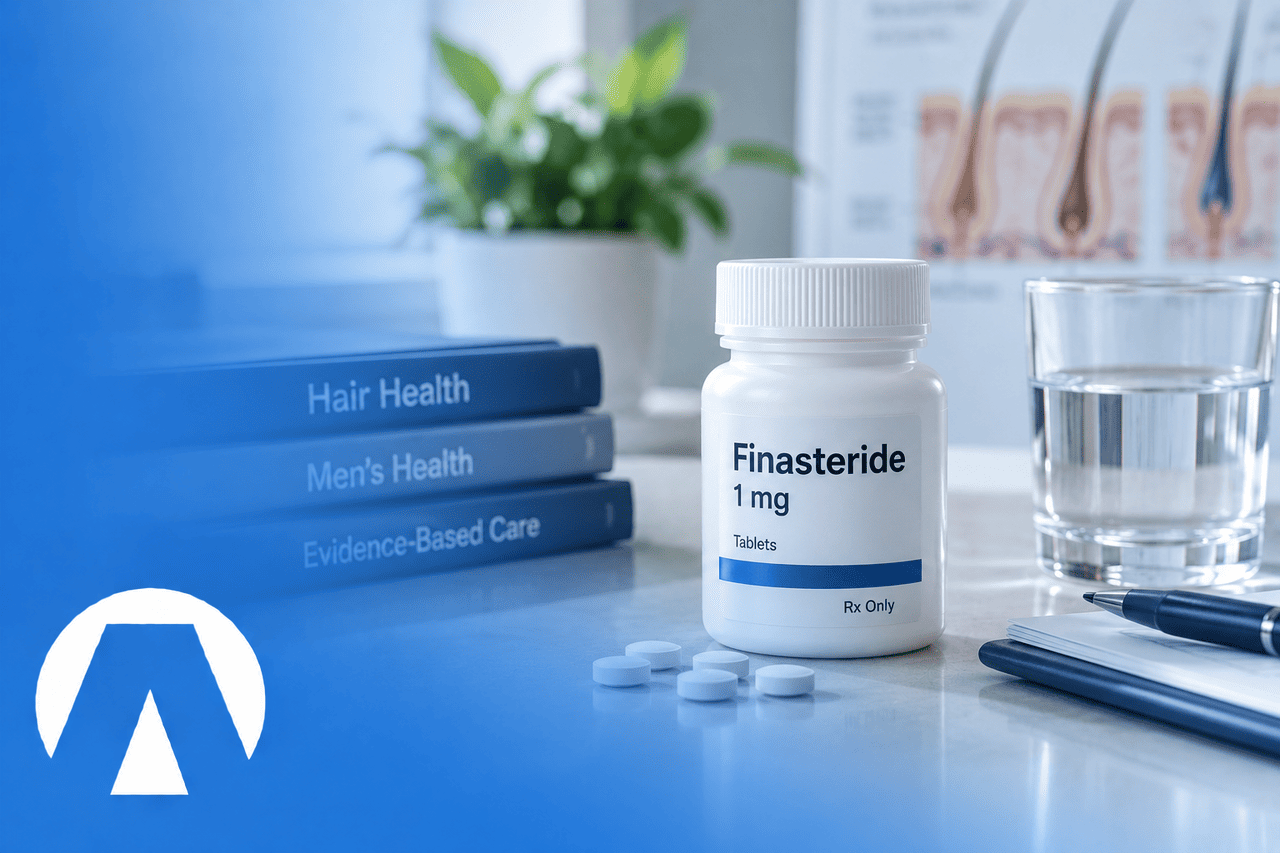
Finasteride Side Effects: How Common Are They and Can They Be Permanent?
Finasteride can help treat male pattern hair loss, but concerns about sexual, reproductive, and long-term side effects are common. Learn how often finasteride side effects occur, what clinical trials and current regulatory guidance show, whether topical finasteride reduces systemic exposure, and what is known about symptoms that persist after discontinuation.
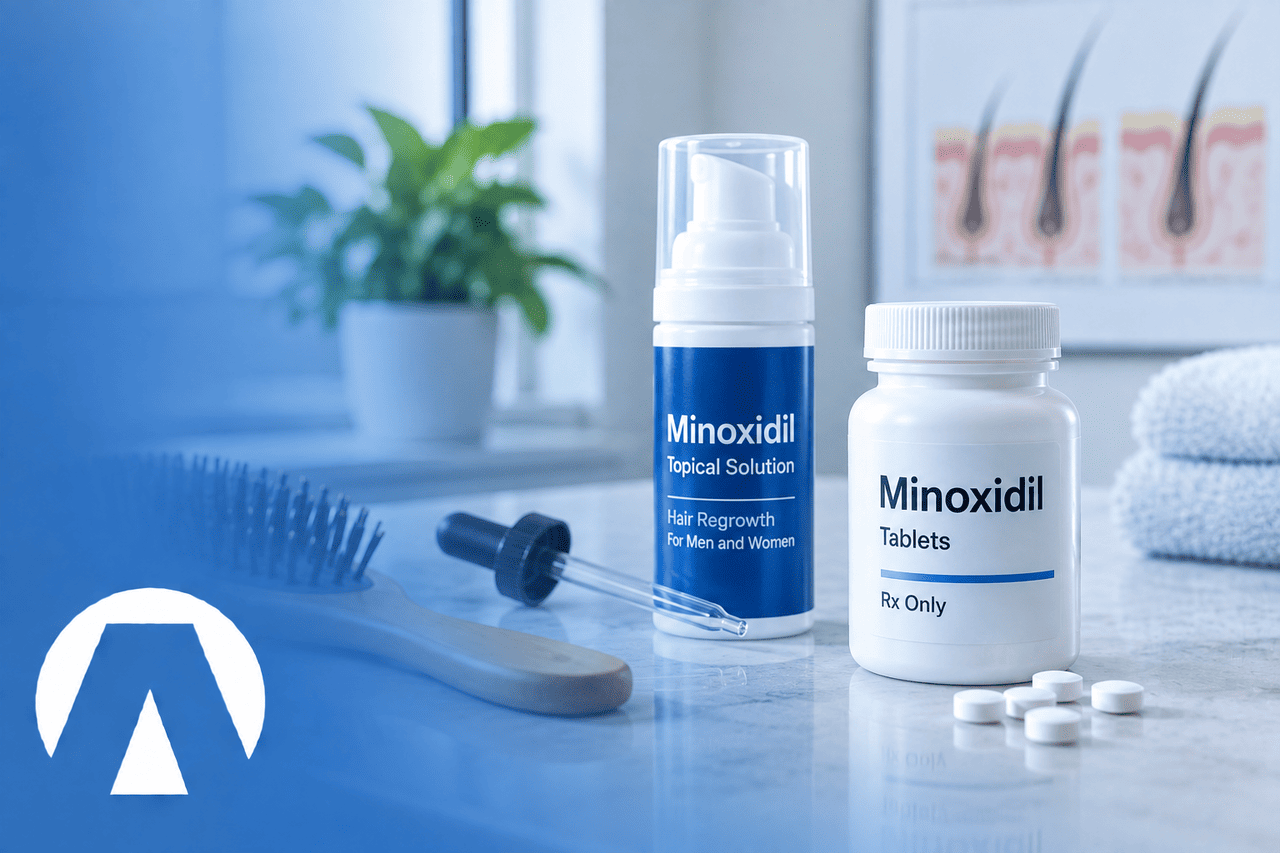
Minoxidil Side Effects: Topical vs. Oral Risks, What’s Common, and When to Worry
Minoxidil is widely used for hair loss, but topical and oral forms have very different safety considerations. Learn about common minoxidil side effects, temporary shedding, scalp irritation, unwanted hair growth, cardiovascular risks of oral minoxidil, and which symptoms deserve medical attention.

How to Lower Hematocrit on TRT: Causes, Treatment, and When to Worry
High hematocrit is an important laboratory concern during testosterone therapy. Learn why TRT can raise HCT and red blood cells, when elevated hematocrit warrants intervention, and how testosterone adjustments, sleep apnea treatment, hydration, blood donation, and other strategies may help.
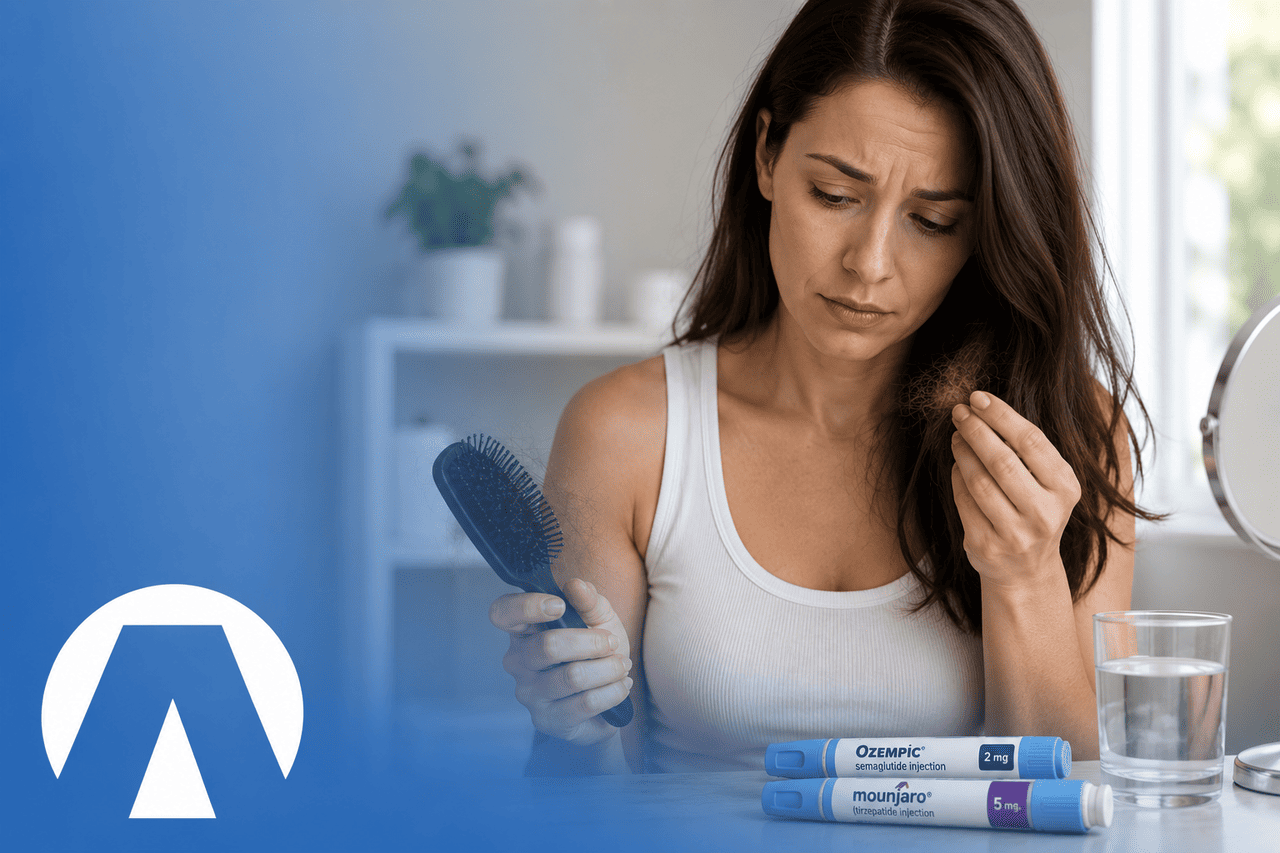
GLP-1 Hair Loss: Temporary Hair Shedding on Semaglutide and Tirzepatide
Hair shedding can occur during weight loss with semaglutide or tirzepatide, but does that mean GLP-1 medications directly cause hair loss? Learn what current research says about telogen effluvium, rapid weight loss, nutrition, and supporting healthy hair regrowth.

Building Muscle While Losing Fat: TRT, GLP-1 Therapy, and Body Composition
Can you lose significant body fat without sacrificing muscle during GLP-1 treatment? A 2026 study of men with obesity and testosterone deficiency found substantial fat loss alongside increases in estimated skeletal muscle mass and strength when tirzepatide, TRT, resistance exercise, and high-protein nutrition were combined.

High Estradiol on TRT: Symptoms, Causes, and When Treatment Is Needed
High estradiol on TRT is a common concern, but elevated estrogen does not automatically mean treatment is needed. Learn the potential symptoms of high estrogen on TRT, why estradiol levels can rise during testosterone therapy, how TRT dosing and other factors may play a role, and when treatment may be appropriate.
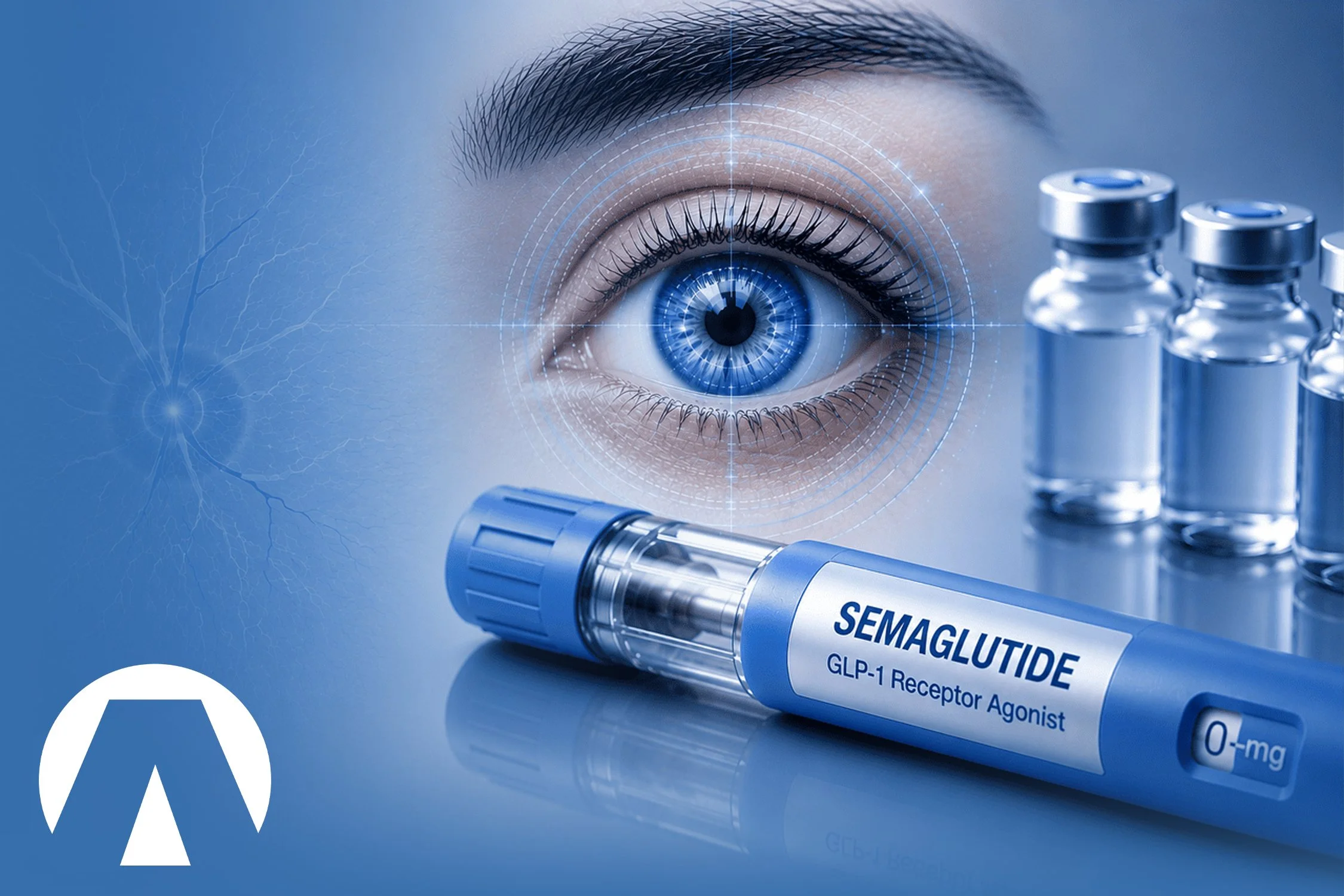
GLP-1 Medications and Vision Concerns: Understanding NAION
Concerns have emerged about a possible link between semaglutide and NAION, a rare eye condition that can cause sudden vision loss. Learn what current research and regulatory reviews say about the risk, which factors may increase susceptibility, and what patients using GLP-1 medications should know.
Beyond the Scale: New GLP-1 Benefits and Research in 2026
GLP-1 medications are being studied for benefits that extend well beyond weight loss. Explore the latest 2026 research on semaglutide, tirzepatide, and investigational retatrutide, including findings related to cardiovascular health, body composition, liver health, sleep apnea, kidney function, and other emerging areas.

Why Affinity Whole Health Does Not Offer Hormone Pellet Therapy
Hormone pellet therapy may seem convenient, but it has important limitations that can make individualized hormone optimization more challenging. At Affinity Whole Health, we intentionally do not offer testosterone or estradiol pellet therapy because we believe treatment should be adjustable, closely monitored, and tailored to each patient's symptoms and laboratory results. Learn why we prioritize flexible treatment options like testosterone cypionate injections and testosterone cream, and how our evidence-based approach helps optimize safety, precision, and long-term outcomes.

Primary vs. Secondary Hypogonadism: Why the Cause of Low Testosterone Matters
Low testosterone isn't a single condition. Understanding whether you have primary or secondary hypogonadism is essential for choosing the right treatment. This evidence-based guide explains how testosterone is produced, the differences between the two types of hypogonadism, common causes, how laboratory testing with LH and FSH helps establish the diagnosis, and why identifying the underlying cause is just as important as treating the symptoms. Learn when testosterone replacement therapy (TRT), Enclomiphene, hCG, lifestyle changes, or further medical evaluation may be appropriate as part of a personalized hormone optimization plan.

Recent PCAC Meeting on Peptides: What Happened, What It Means, and What It Does Not Mean
The FDA's Pharmacy Compounding Advisory Committee (PCAC) voted in July 2026 to recommend several peptides, including BPC-157, TB-500, KPV, MOTS-c, Epitalon, and Semax, for potential inclusion on the Section 503A Bulks List. But what does that actually mean? Learn what the committee's recommendations do and do not mean, how the FDA approval process works, and what patients should know about compounded peptides, legal access, and future regulatory decisions.

Testosterone Injections: Why Twice-Weekly Dosing and Subcutaneous Administration Offer Clear Advantages
Research suggests that twice-weekly testosterone cypionate injections may provide more stable hormone levels, improved comfort, fewer peaks and troughs, and potentially fewer side effects than traditional intramuscular (IM) injections. Learn how personalized dosing and injection frequency can optimize TRT outcomes and improve your overall treatment experience.
NAD+ Therapy: Benefits, Science, and Who May Benefit
NAD+ therapy is gaining attention for its potential to support cellular energy, mitochondrial function, healthy aging, and overall wellness. Learn how subcutaneous NAD+ injections work, explore the latest research, understand potential benefits and side effects, and find out who may be a good candidate for this innovative therapy.

Why Protein Matters More Than Ever During GLP-1 Weight Loss
Learn why protein is essential while taking GLP-1 medications like semaglutide or tirzepatide. Discover how it helps preserve muscle, improve metabolism, and support healthy, sustainable weight loss.
The Benefits of Glutathione Injections: Supporting Your Body’s Master Antioxidant
Glutathione is often called the body's master antioxidant because it plays a critical role in protecting cells from oxidative stress, supporting liver detoxification, maintaining immune function, and promoting overall wellness. As natural glutathione levels decline with age, chronic illness, and environmental stressors, injectable glutathione may help restore optimal levels more effectively than oral supplements. In this evidence-based guide, we explore the potential benefits of subcutaneous glutathione injections, current research, safety considerations, and how personalized treatment at Affinity Whole Health can support long-term health optimization.

Low-Dose Oral Minoxidil for Healthier Hair: What Recent Studies and Clinical Guidelines Show
Many people notice thinning hair or pattern baldness that affects confidence and self-image. At Affinity Whole Health, we understand these concerns and are pleased to offer compounded low-dose oral minoxidil as a convenient option for supporting hair regrowth in suitable patients. Recent research and clinical guidelines highlight its effectiveness for both male androgenetic alopecia and female-pattern hair loss when used appropriately.

Reviewing the Published Data on Testosterone Therapy in Women
Recent studies show that testosterone therapy can provide real support for women experiencing low sexual desire and related symptoms. At Affinity Whole Health, we see how restoring balance can help women feel more like themselves again, and we are here to support that journey with compassionate, evidence-based care.

TRT vs. Enclomiphene: Which Low Testosterone Treatment Is Right?
Confused about TRT vs. enclomiphene? Learn the key differences, benefits, side effects, fertility impact, and how to choose the right low testosterone treatment.

CAG Repeats and Personalized TRT: Why We Treat the Patient, Not Just the Numbers
One powerful genetic factor that explains why two men with nearly identical testosterone levels can experience very different symptoms - and respond differently to treatment - is the CAG repeat polymorphism in the androgen receptor gene. This genetic variation underscores why we prioritize treating the patient while still rigorously respecting laboratory data for safety and optimization.

Upcoming PCAC Meeting: What the July 2026 Review Means for Compounded Peptides
The Pharmacy Compounding Advisory Committee (PCAC) is scheduled to meet on July 23–24, 2026, at the FDA’s White Oak Campus. This public advisory committee meeting will evaluate seven peptides for potential inclusion on the FDA’s Section 503A Bulk Drug Substances List. Here’s what’s on the agenda, which peptides are under review, and what it could mean for patients and practitioners.