
Injectable vs. Oral GLP-1 Medications: Comparing Your Options
The weight loss medication landscape continues to evolve rapidly. In December 2025, the FDA approved the first oral GLP-1 pill for weight management, and compounding pharmacies have introduced oral disintegrating tablet (ODT) formulations that bypass the digestive system entirely. But with injectable GLP-1s remaining the gold standard, how do you choose the right option? Let's break down what the science says about injectable, oral, and sublingual GLP-1 medications.
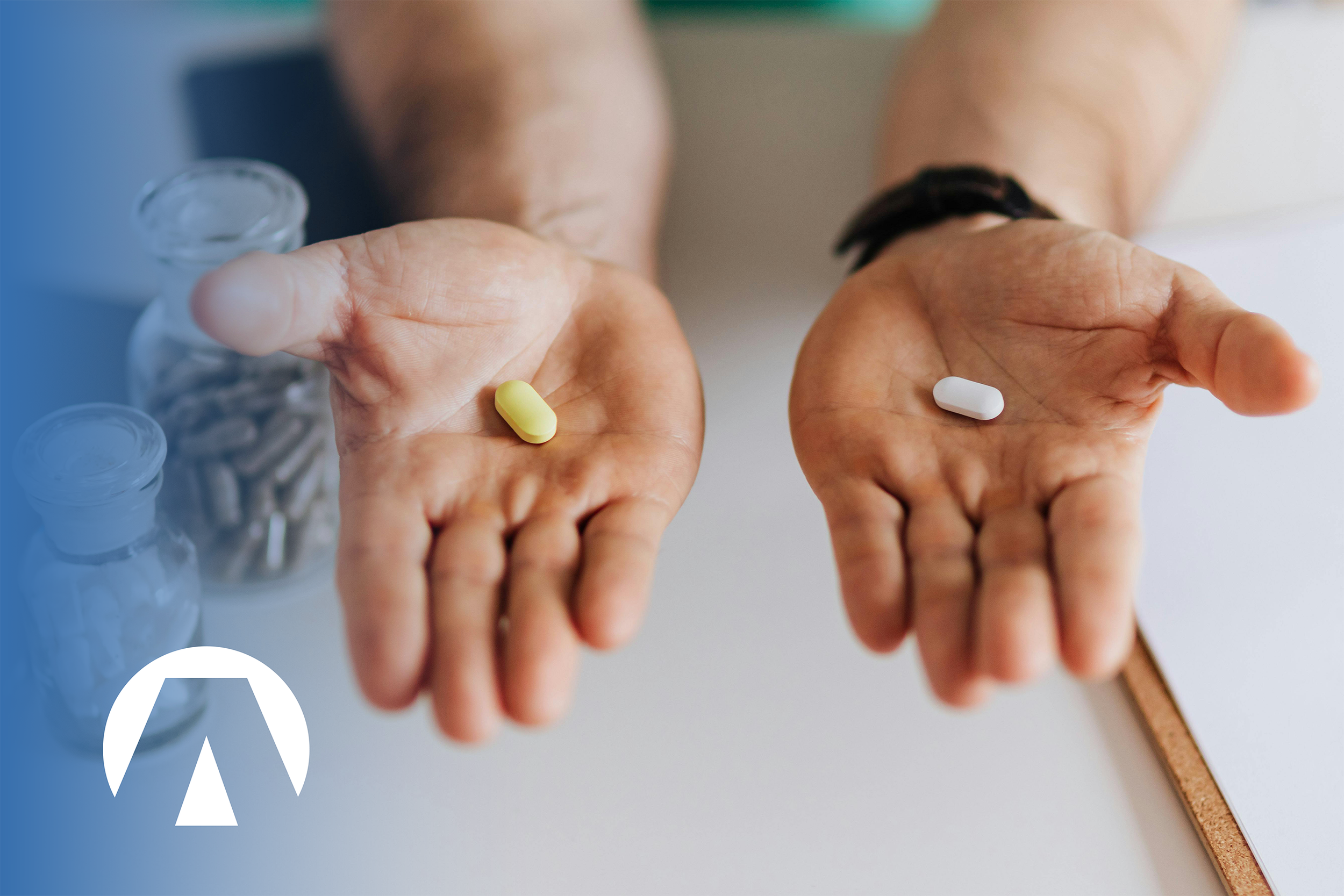
Understanding GLP-1 Medications
GLP-1 (glucagon-like peptide-1) medications mimic a natural hormone in your body that regulates blood sugar, slows gastric emptying, and reduces appetite. These medications have revolutionized weight management, with clinical studies showing patients losing 15-20% of their body weight on average after one year of treatment.
All forms work through the same mechanism, but how they get into your system differs significantly—and this matters more than you might think.
The Three Delivery Methods: How They Compare
Injectable GLP-1s (Weekly Injections)
Injectable medications are delivered directly into subcutaneous tissue, providing nearly 100% bioavailability. When you inject semaglutide or tirzepatide, virtually all of the medication enters your system and gets to work. This remains the most studied and effective delivery method.
Oral Tablets (FDA-Approved Pills)
Oral semaglutide must survive harsh stomach acid and digestive enzymes before absorption. According to research published in the National Institutes of Health, even with a special absorption enhancer called SNAC (sodium N-[8-[2-hydroxylbenzoyl] amino] caprylate), less than 1% of the medication in each pill makes it into your bloodstream. The FDA-approved oral formulation (Rybelsus® for diabetes, Wegovy® pill for weight loss) has been clinically validated but requires much higher doses than injectable versions.
Oral Disintegrating Tablets (ODTs) - Emerging Option
ODT formulations represent a newer approach where tablets dissolve under the tongue (sublingual) or in the cheek (buccal), theoretically bypassing the digestive system entirely. Research on sublingual drug delivery shows this route can avoid first-pass liver metabolism and utilize the rich vascular network of the oral mucosa for direct absorption into the bloodstream. This delivery method for GLP-1 medications is not yet FDA approved.
The Bioavailability Challenge
Here's the biggest difference between these delivery methods: bioavailability, or how much of the medication actually reaches your bloodstream.
Injectable GLP-1s:
Nearly 100% bioavailability
Consistent, predictable absorption
Doses of 1-2.4mg weekly for semaglutide
FDA-Approved Oral Tablets:
0.4-1% bioavailability
Requires 7-25mg doses to achieve similar effects
Must be taken with specific timing and fasting requirements
Compounded ODT Formulations:
Theoretical bioavailability advantage over swallowed tablets
Sublingual/buccal delivery bypasses stomach acid and first-pass metabolism
However, research on peptide delivery shows challenges: peptides may be degraded by salivary enzymes, have poor permeability due to large molecular size, and face continuous wash-away from saliva
No clinical trials have established actual bioavailability or effectiveness for compounded GLP-1 ODTs
These formulations are not FDA-approved and haven't undergone rigorous testing
The theoretical advantage of ODT formulations is that by dissolving in the mouth rather than the stomach, they could achieve better absorption than swallowed tablets while maintaining the convenience of a daily, needle-free option. However, without robust clinical data, it's unclear whether they perform closer to injectable or oral tablets in real-world use.
Weight Loss Results: What the Data Shows
When it comes to shedding pounds, injectable GLP-1s deliver superior results based on extensive clinical trials:
Injectable semaglutide (Wegovy®): 15-17% average body weight loss
Injectable tirzepatide (Mounjaro®/Zepboun®d): Up to 22.5% average body weight loss
FDA-approved oral semaglutide: 13.6-16.6% average body weight loss
Compounded ODT formulations: No published clinical trial data available
A real-world comparison study found that patients on injectable semaglutide lost 1.62kg more than those on FDA-approved oral semaglutide over 26 weeks, which was not significant. While oral semaglutide produces meaningful weight loss, injectable formulations consistently outperform, and more patients discontinue oral semaglutide due to gastrointestinal side effects.
At Affinity Whole Health, we've seen similar results with our patients. Our compounded injectable GLP-1 programs using semaglutide and tirzepatide have helped thousands of patients achieve significant, sustainable weight loss when combined with proper nutrition and lifestyle changes.
Daily Dosing: Comparing Convenience and Compliance
FDA-Approved Oral Tablets:
Must be taken first thing in the morning on an empty stomach
Take with only 4 ounces of water or less
Wait 30 minutes before eating, drinking anything else, or taking other medications
Timing and fasting window are critical for absorption
Requires daily compliance
Compounded ODT Formulations:
Dissolve under the tongue or in the cheek
Taken once daily
Generally no food/water restrictions (though specific instructions vary)
May be more convenient than swallowed tablets
Still requires daily compliance
Injectable GLP-1s:
Administered once weekly at any time of day
Can be taken with or without food
No fasting period required
More forgiving if you're slightly late with your dose
Studies show that patient preferences often shift once they understand these requirements. Research indicates that while 77% of patients initially preferred an oral option, only 46% still preferred it after learning about the strict dosing requirements for FDA-approved oral tablets.
Many of our patients at Affinity find the weekly injection routine easier to integrate into their lives. Your Patient Care Coordinator can walk you through proper injection technique, and most people quickly adapt to the small, nearly painless needles used with modern injections.
Cost Considerations: What to Expect
Cost is often a deciding factor when choosing between delivery methods. Here's the current landscape:
Brand Name Oral Semaglutide (Wegovy® pill):
Novo Nordisk announced a limited-time price of $149/month for the starting dose
Higher doses (25mg) may cost more
Launched in January 2026
Additional costs may apply such as labs, consultations, shipping and membership
Brand Name Injectable GLP-1s:
Wegovy®: $1,000-1,500/month without insurance
Ozempic®: $900-1,000/month without insurance
Mounjaro®/Zepbound®: $1,000-1,400/month without insurance
Compounded Injectable GLP-1s:
Affinity Whole Health: Starting at $299/month for compounded semaglutide
Includes medications, supplies, shipping, and ongoing support
Significant savings compared to brand names
Compounded ODT Formulations:
Prices vary widely, typically $299-449/month for compounded semaglutide or tirzepatide ODTs
Generally more expensive than compounded injectables
Available through compounding pharmacies
Currently, compounded injectable medications from FDA-registered facilities remain the most cost-effective option for most patients seeking GLP-1 therapy.
The Science Behind Sublingual Absorption
The theoretical advantage of ODT formulations lies in the pharmacology of sublingual and buccal drug delivery. According to research on medication routes of administration, when medications dissolve under the tongue or in the cheek, they undergo passive diffusion through the venous blood in the oral cavity, which bypasses the hepatic portal vein and flows directly into systemic circulation.
This offers several potential benefits:
Avoids first-pass metabolism: Unlike swallowed medications that must pass through the liver, sublingual absorption delivers drugs directly to the bloodstream
Bypasses stomach acid: GLP-1 peptides are degraded by digestive enzymes, so avoiding the stomach could improve stability
Rich vascular network: The area under the tongue has extensive blood vessels that allow rapid absorption
However, research on peptide delivery through oral mucosa reveals significant challenges:
Peptides like semaglutide and tirzepatide have molecular weights around 4000 Da (compounds above 500 Da generally show poor permeability)
Salivary and mucosal proteases degrade peptides before they can cross the epithelial barrier
Continuous saliva production dilutes and washes away the medication
Studies with insulin showed only 1-2% bioavailability via buccal/sublingual routes without absorption enhancers
The key question: Do compounded ODT formulations overcome these barriers? Without clinical trial data, the effectiveness is unclear.
Blood Sugar Control: Comparable Results
For patients with type 2 diabetes, both FDA-approved oral and injectable semaglutide effectively reduce hemoglobin A1C levels. Network meta-analysis research found that oral semaglutide 14mg produced HbA1c reductions of 0.42-1.32% compared to other injectable GLP-1 medications, with no statistically significant difference when compared to injectable semaglutide 0.5mg and 1mg doses.
Injectable formulations may offer more consistent blood sugar control due to their superior bioavailability and steady drug levels throughout the week. ODT formulations have not been studied in clinical trials for diabetes management.
Side Effects: Similar Profile Across Formulations
All GLP-1 medications share common side effects:
Nausea
Vomiting
Diarrhea
Constipation
Abdominal discomfort
These gastrointestinal effects are typically most pronounced when starting treatment or increasing doses, and they often improve over time. At Affinity, we help patients maximize their GLP-1 results by staying properly hydrated and eating before injections, which can significantly reduce side effects.
One difference noted in clinical trials: oral semaglutide patients reported excessive belching more frequently (14% vs. none with injectable), likely related to the absorption process in the stomach. ODT formulations may have different side effect profiles since they bypass the stomach, but without clinical data, this remains theoretical.
Special Considerations and Interactions
FDA-Approved Oral Semaglutide May Not Work Well If You Have:
Gastrointestinal disorders affecting absorption
Liver conditions
Difficulty maintaining strict morning medication routines
Compounded ODT Formulations Considerations:
Not FDA-approved; individual results may vary
No clinical trials establishing safety or effectiveness
May interact with oral health conditions
Salivary flow and pH can affect absorption
Injectable GLP-1s Work Well For:
Patients seeking maximum weight loss results
Those with absorption issues
People taking multiple morning medications
Anyone who wants proven, consistent results
Patients who value cost-effectiveness (compounded injectables)
The Muscle Mass Question
A common concern with any weight loss medication is preserving lean muscle mass. Without adequate protein intake and strength training, GLP-1 medications can lead to loss of lean mass along with fat.
This is where combining therapies becomes interesting. Research shows that GLP-1 medications paired with growth hormone-releasing peptides like Sermorelin can help preserve muscle mass during weight loss. For some patients, particularly those going through hormonal changes, combining GLP-1s with hormone replacement therapy may optimize both weight loss and body composition.
The Affinity Approach: Personalized Support
At Affinity Whole Health, we recognize that the best GLP-1 medication is the one that fits into your life and helps you achieve your goals. Since 2012, we've helped 10,000 patients navigate weight management and hormone optimization with personalized care.
Our approach includes:
Comprehensive consultation to determine if GLP-1 therapy is right for you
Dedicated Patient Care Coordinators who support you throughout your journey
Flexible care model: telehealth convenience or in-person visits at our Cleveland, Chicago, Columbus, and Indianapolis clinics
All-inclusive pricing: no memberships or hidden fees
Ongoing monitoring with follow-up consultations and lab work
So Which Is Better: Injectable, Oral, or ODT?
The honest answer is: it depends on your priorities and what matters most to you.
Choose injectable GLP-1s if:
Maximum weight loss is your primary goal
You want proven, consistent results backed by extensive clinical trials
Weekly dosing fits better into your routine than daily medication
You have absorption issues or take other morning medications
Cost is a concern (compounded injectables are most affordable)
You value the gold standard with predictable outcomes
Consider FDA-approved oral tablets if:
You're extremely needle-averse and won't use injections
You have modest weight loss goals
You can maintain a strict morning medication routine with 30-minute fasting
You prefer FDA-approved medications over compounded options
You don't mind the lower bioavailability and the need for higher doses
Consider compounded ODT formulations if:
You're needle-averse but want to avoid swallowing pills
You're willing to try an emerging option without clinical validation
You can afford the higher cost compared to compounded injectables
You're comfortable with daily dosing
For most people seeking significant weight loss, injectable GLP-1 medications currently offer superior results, better convenience (despite being injections), and more cost-effective options through oral options. The weekly dosing is more forgiving, the bioavailability ensures consistent medication levels, and the weight loss results are backed by extensive clinical research.
Important Considerations for All Formulations
Regardless of which option you choose, remember:
Compounded medications (whether injectable or ODT) are prepared at the direction of your healthcare provider by FDA-registered facilities but are not FDA-approved. They have not undergone the rigorous pre-market review process that FDA-approved medications complete. Results may vary between individuals.
ODT formulations specifically have not been studied in clinical trials. Without clinical data, effectiveness remains largely unproven outside of anecdotal data.
All GLP-1 therapy works best when combined with comprehensive lifestyle changes and personalized medical support.
Moving Forward With GLP-1 Therapy
Whether injectable, oral, or ODT, GLP-1 medications represent a powerful tool in weight management. But they work best when combined with comprehensive lifestyle changes and personalized medical support.
At Affinity Whole Health, our team of experienced providers and Patient Care Coordinators is here to help you navigate these options and create a weight loss plan that works for your unique situation. We don't believe in one-size-fits-all approaches. Your journey is personal, and your care should be too.
Ready to explore whether GLP-1 therapy is right for you? Start with our comprehensive consultation and lab work. Most patients notice improvements within weeks, and with the right support, the results can be life-changing.
Frequently Asked Questions About GLP-1 Medications
Are compounded GLP-1 medications FDA-approved?
No. Compounded medications are not FDA-approved and have not undergone the same safety and efficacy review as commercial products.
Is there clinical data for ODT GLP-1s?
No. There are currently no published clinical trials evaluating the safety or efficacy of compounded GLP-1 ODTs.
Which GLP-1 option is best for weight loss?
Injectable GLP-1s have the strongest evidence for significant, sustained weight loss.For patients who prioritize needle-free treatment or struggle with adherence to strict oral dosing requirements, ODT formulations may be a practical alternative when used under close medical supervision.
Can I switch between injectable and oral GLP-1s?
Switching may be possible, but should only be done under the supervision of a qualified healthcare provider.
What else should I do for best results?
GLP-1 therapy should be combined with dietary, physical activity, and behavioral interventions for optimal outcomes.
This article is for educational purposes and does not constitute medical advice. Compounded medications are prepared at the direction of your Affinity healthcare provider and are not governed by the FDA. All prescriptions require a provider consultation, and individual results may vary based on your health profile, starting weight, commitment to lifestyle changes, and adherence to your treatment plan. ODT formulations have not undergone clinical trials and their effectiveness has not been established.