
Beyond the Scale: New GLP-1 Benefits and Research in 2026
Medically reviewed by Dr. Michael Koehler, MD
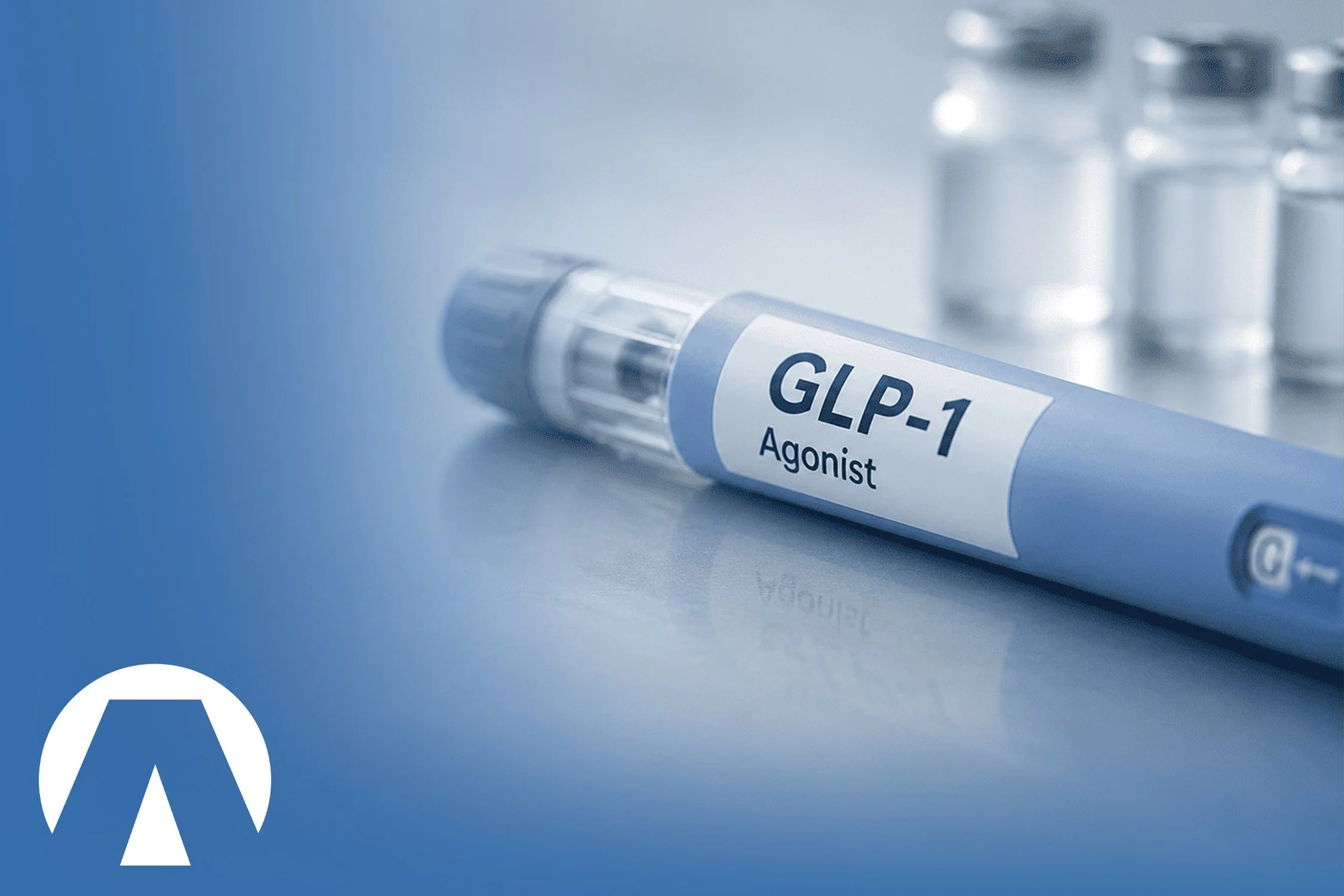
GLP-1-based medications continue to generate important new research in 2026. Semaglutide is a GLP-1 receptor agonist, while tirzepatide targets both GIP and GLP-1 receptors. New trials, secondary analyses, and real-world studies are expanding our understanding of these medications beyond weight loss, including potential benefits for cardiovascular health, body composition, liver health, sleep apnea, kidney function, and other areas under investigation. Here is a clear summary of key findings.
Weight Loss and Metabolic Improvements
Both semaglutide and tirzepatide deliver substantial, clinically meaningful weight loss.
Semaglutide has consistently demonstrated strong results across multiple large trials and real-world settings. Higher-dose regimens (including the investigational 7.2 mg dosing evaluated in the STEP UP program) have produced average weight reductions around 21%, with the large majority of participants achieving ≥5–10% weight loss and many reaching higher thresholds. Semaglutide’s efficacy is well-characterized, durable, and supported by extensive long-term cardiovascular outcome data.
In the SURMOUNT-5 head-to-head trial and related analyses, tirzepatide produced greater average weight loss than semaglutide (approximately 20% vs 14%) over 72 weeks in adults with obesity or overweight plus weight-related comorbidities, with higher rates of participants reaching ≥15%, ≥20%, and ≥25% weight-loss thresholds.
A 2026 network meta-analysis confirmed that both agents rank among the most effective currently available options, with tirzepatide showing the largest average reductions at higher doses.
Real-world data further support meaningful results with both medications. In one 2026 prospective observational study of adults with obesity treated with low-dose tirzepatide, average weight loss was about 7–8% at 12 weeks, with favorable changes in lipids and glycemic markers.
Body Composition Findings
A growing body of 2025–2026 research has examined how these medications affect fat mass versus lean mass.
In the SURMOUNT-1 DXA substudy, tirzepatide reduced fat mass substantially (approximately 34% relative reduction) while lean mass declined more modestly. Of the total weight lost, roughly 75% was fat mass and about 25% was lean mass — a proportion similar to that seen with placebo and consistent with other intentional weight-loss approaches.
Semaglutide studies show a comparable pattern. In the SEMALEAN study, patients experienced significant fat-mass reduction, with lean mass declining initially then stabilizing; handgrip strength improved and the prevalence of sarcopenic obesity decreased over 12 months.
A 2026 real-world cohort of patients treated primarily with semaglutide (and some tirzepatide) found that most weight loss was fat mass (80–85%), while relative skeletal muscle mass was preserved or increased in more than 70% of patients.
Systematic reviews and meta-analyses indicate that lean mass typically accounts for roughly 25–35% of total weight lost with these agents. Importantly, the percentage of body weight that is lean tissue is often preserved or improved because fat is lost preferentially. Lifestyle approaches that include resistance training further improve the ratio of fat-to-lean loss. For practical guidance on supporting muscle during treatment, see our post on protein during GLP-1 weight loss.
These findings support the clinical emphasis on combining pharmacotherapy with adequate protein intake and resistance training to optimize body-composition outcomes.
At Affinity Whole Health, our in-person clinics are equipped with InBody machines so we can objectively track changes in muscle mass, percent body fat, visceral fat, and other key metrics over time. This body composition analysis is offered as a free perk to all of our patients. Regular InBody scans help us and our patients see whether weight loss is coming primarily from fat and allow us to adjust nutrition, training, or dosing recommendations as needed. You can learn more about how we use this data in ongoing care in our post on Affinity Whole Health’s ongoing metabolic support.
Cardiovascular and Liver Benefits
The SELECT trial remains foundational. In people with overweight or obesity and established cardiovascular disease, semaglutide reduced major adverse cardiovascular events (MACE). A 2026 prespecified analysis published in Nature Medicine further showed that this cardiovascular benefit extended to the subgroup at higher risk of significant liver fibrosis (based on FIB-4 scores). Semaglutide also produced greater improvements in the fatty liver index and liver enzyme markers compared with placebo.
These findings highlight potential value for concurrent metabolic dysfunction-associated steatotic liver disease (MASLD) risk reduction alongside cardiovascular protection.
Do GLP-1 Medications Reduce Cancer Risk?
It is too early to conclude that GLP-1 medications prevent cancer. However, emerging observational research has identified potentially encouraging associations between GLP-1 receptor agonist use and the incidence of certain obesity-associated cancers. Obesity is a well-established risk factor for several cancers. In 2026, a large observational study of adults with obesity found that GLP-1 receptor agonist use (primarily semaglutide or tirzepatide) was associated with a substantially lower incidence of obesity-associated cancers compared with diet-and-exercise advice alone (overall hazard ratio around 0.59, or roughly a 41% relative reduction over a median ~2-year follow-up). Reductions were noted across multiple cancer types, with some analyses suggesting a stronger signal for tirzepatide.
These are observational findings and cannot prove causation. A separate 2026 systematic review of randomized trials (generally shorter follow-up) found little to no increase in risk for most monitored cancers with GLP-1 receptor agonists, providing reassurance on safety signals to date, while noting that longer-term data are still needed.
Overall, the current picture is encouraging rather than concerning, but definitive conclusions about cancer prevention require longer randomized evidence.
GLP-1 Medications and Vision Concerns (NAION)
Concerns have been raised about a possible link between GLP-1 medications, particularly semaglutide, and a rare eye condition called non-arteritic anterior ischemic optic neuropathy (NAION). NAION can cause sudden, usually painless vision loss in one eye.
Most of the observational studies reporting a possible increase in relative risk (often roughly 1.5- to 2.5-fold) have been conducted in people with type 2 diabetes. Regulatory reviews, including those by the European Medicines Agency, have classified NAION as a very rare side effect (potentially affecting up to 1 in 10,000 people), primarily based on data from diabetic populations.
Evidence specifically in non-diabetic patients using these medications for weight management is more limited and mixed. Some analyses in overweight or obesity cohorts without diabetes have not shown a clear increase in risk. Across all populations studied, the absolute risk remains very low. Absolute differences, when present, are typically only a fraction of a percentage point.
Several points help put this in clinical context:
Randomized placebo-controlled trial data have not clearly shown an increased incidence of NAION.
Many people who develop NAION already have independent risk factors such as older age, hypertension, sleep apnea, or obesity. These factors are common in patients prescribed GLP-1 medications and can make observational associations harder to interpret.
Causality has not been definitively proven.
Anyone experiencing sudden vision changes should seek medical attention promptly. If NAION is diagnosed, the medication is typically stopped. For the large majority of patients, including those without diabetes, the well-established benefits of semaglutide and tirzepatide for weight, metabolic health, and cardiovascular risk reduction continue to outweigh this rare potential risk. We discuss personal risk factors and any needed monitoring as part of individualized care.
Other Areas of Active Investigation
Kidney function and inflammation
Analyses from higher-dose semaglutide studies presented in 2026 showed signals of kidney function preservation (using cystatin C–based eGFR measures that are less affected by muscle mass changes) along with meaningful reductions in high-sensitivity C-reactive protein (hsCRP), a marker of systemic inflammation.
Heart failure with preserved ejection fraction (HFpEF)
Data from the SUMMIT trial with tirzepatide and related STEP-HFpEF studies with semaglutide continue to support improvements in heart failure symptoms, quality of life, exercise capacity, and reductions in inflammatory markers in people with obesity and HFpEF.
Obstructive sleep apnea
Tirzepatide has demonstrated clinically meaningful reductions in the apnea-hypopnea index in people with obesity and moderate-to-severe obstructive sleep apnea (SURMOUNT-OSA program data).
Alcohol use and substance use
A 2026 randomized trial found that once-weekly semaglutide reduced heavy-drinking days and overall alcohol consumption more than placebo in adults with alcohol use disorder and obesity. Broader observational data from 2026 have also associated GLP-1 receptor agonist use with lower rates of incident substance use disorders and fewer related emergency visits or hospitalizations in some populations.
Osteoarthritis and joint symptoms
Improvements in knee osteoarthritis pain and function have been observed, largely related to the degree of weight loss achieved, with ongoing interest in possible additional mechanisms.
Neurodegeneration and cognition
Observational data continue to link GLP-1 receptor agonist use with lower rates of dementia diagnoses in some populations. However, the large phase 3 EVOKE and EVOKE+ trials of oral semaglutide in early Alzheimer’s disease did not meet their primary clinical progression endpoints, despite some favorable shifts in certain biomarkers (including tau-related and inflammatory markers). Research into potential anti-inflammatory and neuroprotective mechanisms remains active.
Anticipated Studies
Key trials still expected to report or continue advancing include:
SURMOUNT-MMO - cardiovascular outcomes with tirzepatide in obesity
Full long-term results from ESSENCE (semaglutide in MASH)
Additional cardiovascular, renal, and hepatic outcome data
Longer-term observational and randomized follow-up on cancer incidence and substance use outcomes
Studies of oral and less frequent dosing formulations, post-bariatric use, and combination strategies aimed at lean-mass preservation
Clinical Perspective at Affinity Whole Health
The 2026 evidence base continues to support the thoughtful, individualized use of semaglutide and tirzepatide for appropriate patients seeking meaningful weight reduction and broader metabolic health improvements. Benefits extend beyond the scale to cardiovascular risk reduction, liver and kidney markers, inflammation, sleep apnea, body composition, and potentially other pathways under active study.
We individualize therapy, emphasize gradual titration, monitor body composition thoughtfully, and integrate nutrition plus resistance training to support sustainable results and muscle preservation. These medications work best as part of a comprehensive plan rather than in isolation. For more on supporting results through nutrition, see our guide on protein during GLP-1 weight loss and details on our personalized at-home weight loss and hormone therapy programs.
If you are considering medical weight-loss treatment and want to understand whether semaglutide, tirzepatide, or another approach may be appropriate for your health goals, we welcome you to schedule a consultation. We will review your history, current labs, and objectives to determine the most appropriate path forward.
Schedule your consultation today.
Frequently Asked Questions About GLP-1 Benefits
What are the benefits of GLP-1 medications besides weight loss?
Research has identified benefits or potential benefits involving cardiovascular health, metabolic health, sleep apnea, liver health, body composition, and other areas. The strength of evidence varies by medication, condition, and outcome, and several potential benefits remain under investigation.
Does semaglutide or tirzepatide cause muscle loss?
Some lean mass can be lost during significant weight reduction, including weight loss achieved with GLP-1-based medications. Research generally indicates that fat accounts for the majority of weight lost. Adequate protein intake and resistance training may help support lean mass during treatment.
Is tirzepatide more effective than semaglutide for weight loss?
In the SURMOUNT-5 head-to-head trial, tirzepatide produced greater average weight loss than semaglutide over 72 weeks in adults with obesity or overweight and at least one weight-related complication. Individual results vary, and treatment selection should consider more than weight-loss percentage alone.
Do GLP-1 medications improve heart health?
Certain GLP-1-based medications have demonstrated cardiovascular benefits in specific patient populations. For example, semaglutide reduced major adverse cardiovascular events in the SELECT trial among adults with overweight or obesity and established cardiovascular disease.
Do GLP-1 medications reduce cancer risk?
It is too early to conclude that GLP-1 medications prevent cancer. Observational studies have reported potentially encouraging associations, but these findings cannot establish causation and require confirmation through longer-term research.
This content is for educational purposes only and does not constitute medical advice. Observational findings on cancer, substance use, and other outcomes require confirmation in longer randomized studies. Individual results vary. Compounded medications are not FDA-approved. Treatment decisions should be made with a qualified healthcare provider after thorough evaluation.
Reference List
Aronne LJ, Horn DB, le Roux CW, et al. Tirzepatide as Compared with Semaglutide for the Treatment of Obesity. N Engl J Med. 2025;393(1):26-36. https://pubmed.ncbi.nlm.nih.gov/40353578/
Meyhöfer SM, Cariou B, Cercato C, et al. Semaglutide on liver fibrosis and heart outcomes in patients at high risk of liver fibrosis: a prespecified analysis of the SELECT randomized trial. Nat Med. 2026;32:1686–1693. https://pubmed.ncbi.nlm.nih.gov/41928037/
GLP-1 receptor agonist use and cancer risk in obese nondiabetic adults. Ann Oncol. 2026;37(8):1178-1185. https://www.sciencedirect.com/science/article/pii/S0923753426001572
Lim et al. Weight Loss With GLP‐1 Agonists in Nondiabetic Adults: Systematic Review and Network Meta‐Analysis. Obesity. 2026. https://onlinelibrary.wiley.com/doi/10.1002/oby.70169
A real-world study of tirzepatide for weight loss in adults without diabetes mellitus. Int J Obes (Lond). 2026;50(3):684-688. https://pubmed.ncbi.nlm.nih.gov/41354867/
Wang TH, et al. Risk for Cancer With Glucagon-Like Peptide-1 Receptor Agonists: Systematic Review and Meta-Analysis of Randomized Trials. Ann Intern Med. 2026;179(2):216-229. https://pubmed.ncbi.nlm.nih.gov/41359966/
Galindo RJ, Aronne LJ, Horn DB, et al. Reversion to normoglycemia with tirzepatide vs semaglutide in participants with obesity and prediabetes: a post hoc analysis of SURMOUNT-5. J Endocrinol Invest. 2026;49:1611–1620. https://link.springer.com/article/10.1007/s40618-026-02895-3
Look M, et al. Body composition changes during weight reduction with tirzepatide in the SURMOUNT-1 study. Diabetes Obes Metab. 2025. (DXA substudy) https://pubmed.ncbi.nlm.nih.gov/39996356/
Alissou M, et al. Impact of Semaglutide on fat mass, lean mass and muscle function in patients with obesity: The SEMALEAN study. Diabetes Obes Metab. 2026. https://pubmed.ncbi.nlm.nih.gov/41068996/
Real-world cohort data on fat vs lean mass with GLP-1–based therapies (ECO 2026 presentation / related analyses showing preferential fat loss and relative muscle preservation). https://medicalxpress.com/news/2026-05-muscle-mass-obesity-drug-treatment.html
STEP UP and related body-composition / muscle-function analyses with higher-dose semaglutide (2025–2026 presentations). https://pubmed.ncbi.nlm.nih.gov/40961952/
Additional 2026 data supporting benefits in HFpEF, obstructive sleep apnea, alcohol use disorder, kidney function markers, and systemic inflammation. https://www.ncbi.nlm.nih.gov/books/NBK599960/